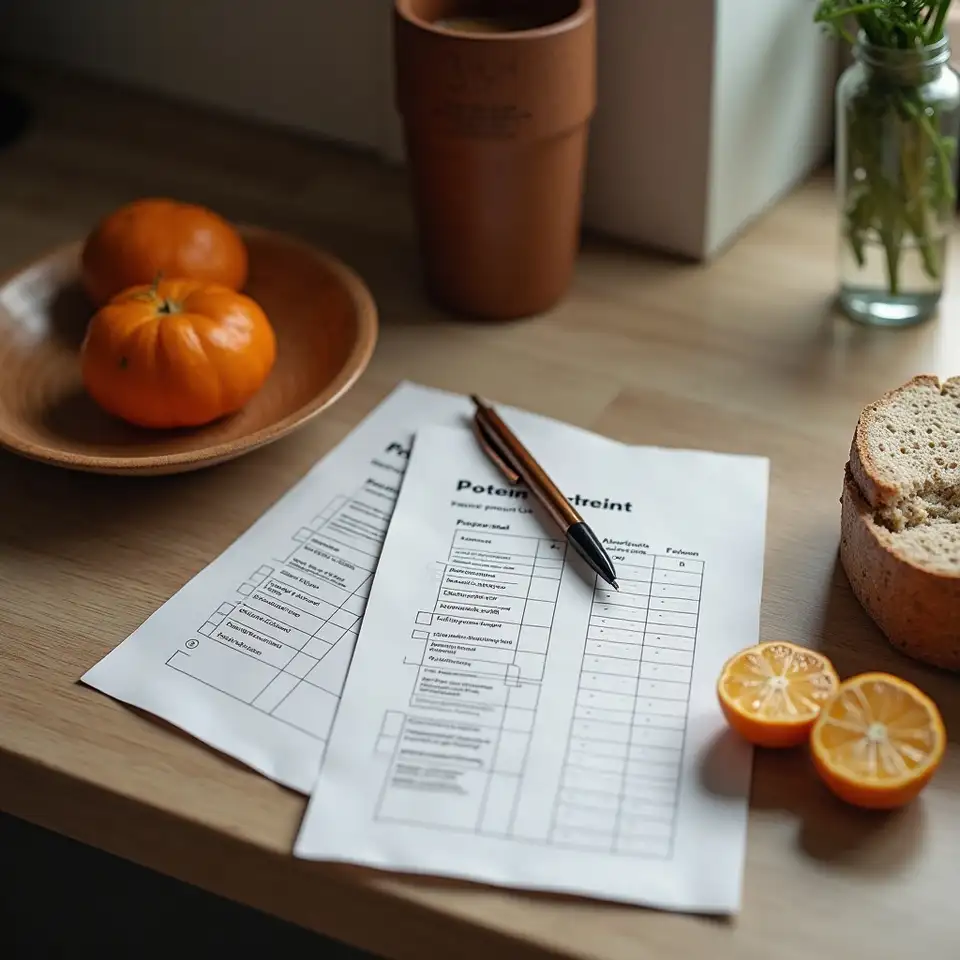
Resources for turning protein theory into everyday meals
“Protein advice makes sense in theory, yet disappears during the weekly shop.” The
resource library on this page closes that gap by turning explanations into checklists,
templates, and plain language briefs designed for real Norwegian kitchens and canteens.
Tools compare plant and animal protein sources, show how protein works in the body, and
map that understanding onto balanced breakfasts, lunches, dinners, and snacks. Each item
favours structure over slogans, emphasising flexible patterns, batch-cooking ideas, and
realistic leftovers rather than rigid plans. Results may vary, and any major dietary
change should be discussed with a physician or registered dietitian, but these materials
offer a practical starting point for more deliberate, evidence-informed protein
decisions.
Bridge science and plate
Connects explanations of how protein works in the body to clear visuals, so decisions at the fridge or canteen counter rest on more than slogans.
Compare sources calmly
Shows plant and animal protein sources side by side, with practical combinations and portion ideas that respect Norwegian ingredients and culture.
Use flexible structures
Offers reusable templates, checklists, and weekly patterns that support consistent, flexible protein intake without strict meal plans.

Key resources
Reference-style tools that link protein science to plant and animal food choices, balanced plates, and realistic weekly patterns for households, canteens, and shared kitchens.
“Protein guidance only works when it fits the fridge, not just the theory.” The
resources collected on this page turn explanations about protein into tools that live in
kitchens, canteens, and meeting rooms. Quick-reference sheets show how protein works in
the body, side by side charts compare plant and animal sources, and weekly patterns
illustrate how to spread intake across breakfast, lunch, dinner, and snacks without
rigid rules. Each download is designed for print or screen use, emphasising realistic
Norwegian ingredients, batch-cooking options, and leftover planning. Results may vary,
and any major dietary change should still be discussed with a physician or registered
dietitian, yet these materials provide a clear, structured starting point for more
deliberate protein decisions.
Ask questions
Quick ideas for everyday protein
Everyday protein choices depend more on repeatable habits than on perfect numbers; these quick
ideas show how to anchor breakfast, lunch, dinner, and snacks around realistic protein sources
while still leaving room for taste, culture, and changing schedules.
Boost breakfast with a simple protein anchor
Begin the day with a clear protein anchor so that later meals do not carry the entire load. Options include yoghurt with oats and nuts, eggs on wholegrain bread, or a bean spread on rye crispbread. Combining a modest protein source with fibre rich sides and fruit supports satiety and makes it easier to meet daily needs without relying on a single large evening meal, and these ideas can be adapted for home kitchens, offices, and grab and go situations.
Design lunches around one main protein
At lunch, treat the plate like a modular system: choose one main protein, such as beans, lentils, fish, eggs, or lean meat, then add vegetables and a grain or potato component. Soups, grain bowls, and open sandwiches work well in Norwegian contexts and can be adjusted for vegetarian or omnivorous preferences. Planning for a consistent protein element at lunch reduces the pressure on dinner to compensate and can support steadier energy through the afternoon.
Build dinners that mix comfort and balance
For dinner, focus on balancing enjoyment with structure. Pick a protein anchor that suits the household, like fish, beans, lentils, eggs, or meat in modest portions, and surround it with vegetables and whole grains or potatoes. Classic dishes can often be adjusted by adding legumes to stews, serving smaller meat portions, or including a side of yoghurt or cottage cheese, all without losing cultural familiarity.
Use snacks to top up protein gently
Snacks offer quiet opportunities to support protein distribution across the day. Simple ideas include yoghurt, a small handful of nuts, a boiled egg, or leftovers from a bean-based dish. Choosing snacks with some protein, instead of relying only on refined carbohydrates, can help bridge long gaps between meals and may reduce the urge for very large portions later, though individual responses differ and results may vary.
Plan leftovers as deliberate protein resources
Leftovers and batch cooking can make protein rich meals more realistic during busy weeks. Cooking extra beans, lentils, or fish, then storing them safely for use in salads, wraps, or grain bowls, turns one cooking effort into several meals. Clear labelling and prompt refrigeration or freezing support food safety, and planned reuse helps reduce waste while keeping balanced, protein anchored options within easy reach.
Key terms
Protein terms explained
Protein conversations quickly introduce technical language that can obscure practical decisions about what to put on the plate; this glossary explains common terms in straightforward language, linking each concept to everyday plant and animal foods and balanced meals.
Complete protein
Complete protein describes a food or combination of foods that together provide all essential amino acids in amounts that support the body’s needs. Animal sources such as eggs, dairy, fish, and meat are typically complete on their own, while many plant sources can be combined, for example beans with grains, to achieve a similar pattern. In practice, variety across meals usually matters more than perfection at any single sitting, especially when eating a mix of plant and animal foods.
BasicsAmino acids
Amino acids are the smaller building blocks that link together to form proteins, much like letters forming words. Some can be made by the body, while others, called essential amino acids, must come from food. Different plant and animal protein sources contain different patterns and amounts of amino acids, which is why variety and thoughtful combinations help support muscles, enzymes, hormones, and immune function over time.
BasicsLean protein
Lean protein usually refers to foods that provide significant protein with relatively little saturated fat, such as many types of fish, skinless poultry, low fat dairy, certain cuts of meat, and plant options like beans and lentils when prepared with modest added fat. Focusing on lean sources can help keep overall meals balanced, leaving room for healthy fats from nuts, seeds, and oils while still supporting protein needs.
SourcesPlant protein
Plant protein covers protein that comes from plant foods such as beans, lentils, peas, soy products, whole grains, nuts, and seeds. Individual plant foods may have lower amounts of one or more essential amino acids, but varied combinations across meals can still support overall needs. Plant protein sources often bring fibre and other nutrients, making them valuable anchors or partners in balanced meals for many households and organisations.
SourcesAnimal protein
Animal protein refers to protein from foods like fish, eggs, dairy products, and meat. These sources generally contain all essential amino acids in proportions well matched to human needs and can provide concentrated amounts in relatively small portions. When included, they are often balanced with vegetables, whole grains, and plant proteins to support variety, sustainability considerations, and different cultural or personal preferences.
SourcesProtein distribution
Protein distribution describes how protein intake is spread across breakfast, lunch, dinner, and snacks over a day, rather than the total amount alone. Many people consume most of their protein at one evening meal, leaving earlier meals relatively low. More even distribution can help the body use protein efficiently for muscle maintenance and other functions, which is why several resources here focus on including some protein source at each main meal.
MealsProtein anchor
Protein anchor is a practical phrase for the main protein source or combination of sources that forms the starting point of a meal, such as yoghurt, eggs, beans, lentils, fish, or meat. Building plates around a chosen anchor, then adding vegetables, grains, and fats, makes it easier to ensure that each meal contributes meaningfully to daily protein needs without complex calculations or strict meal plans.
MealsBalanced plate
Balanced plate refers to a meal that brings together a protein anchor, vegetables or fruit, and a source of carbohydrates such as grains or potatoes, along with some healthy fats. In the context of these resources, balanced plates often highlight how plant and animal protein sources can sit alongside high fibre sides, supporting both protein needs and overall dietary quality in everyday Norwegian meals.
MealsResource use questions
How to use these resources
Most resources are designed to print on standard paper sizes or to view
comfortably on screens, so they can sit on a fridge door, office
noticeboard, or shared drive. Content stays focused on everyday protein
decisions, avoiding complex tracking or strict rules, and can be used as
shared reference in households, canteens, or wellbeing projects.
Do materials cover supplements
Guides emphasise whole foods such as beans, lentils, grains, nuts, seeds, fish, eggs, dairy, and lean meats, rather than dietary supplements. Where supplements are mentioned for context, they are described in general terms only, not FDA approved, and not recommended as a replacement for professional medical advice or a varied diet.
Are both plant and animal options included
Templates highlight plant and animal protein side by side, showing how to
build meals that work for vegetarian, flexitarian, and omnivorous eaters.
Many examples start from a plant-based base, such as a bean stew or grain
bowl, with optional animal additions like cheese, yoghurt, fish, or meat for
those who choose them.
Is this suitable for every health condition
Resources are written for general audiences and do not take account of specific medical conditions, allergies, or medications. Anyone with health concerns, pregnancy, or complex dietary needs should consult a physician or registered dietitian before applying guidance, and results may vary even among people with similar backgrounds.
Can weekly patterns be adapted
Weekly patterns and meal templates are intended as flexible examples, not strict prescriptions. Portions, ingredients, and combinations can be adjusted based on appetite, culture, budget, and availability, as long as attention remains on including some protein source at each main meal and considering overall balance.
How often are resources updated
Updates occur when new feedback arrives from users, practitioners, or when
relevant guidance changes. Version dates are noted on key documents, and
older versions may be retired or revised. For critical decisions,
cross-checking with current official recommendations and professional advice
remains important.
Can resources be used in organisations
Materials can support discussions in offices, schools, and community groups,
but they are not formal training or certification. They serve as structured
references to inform conversations about meals, not as educational courses
or coaching, and they should be combined with local policies and
professional input where required.
Access structured everyday protein tools
Starter pack
Protein is often discussed in isolation, yet daily decisions still happen at the breakfast table or office buffet. The Everyday Protein Starter Pack gathers core reference tools in one place: a one-page overview of protein’s roles in the body, a comparison chart of common plant and animal sources, and a simple guide to estimating portions without scales. Designed for quick reading and sharing with teams or family members, this pack helps establish a shared understanding before menus or shopping habits change. Results may vary, and medical questions must always be taken to physicians or registered dietitians, but this bundle offers a structured foundation for informed conversations.
Daily patterns
Many households and workplaces struggle with how to distribute protein across the day rather than loading it into a single meal. The Daily Protein Pattern Kit includes example breakfast, lunch, dinner, and snack combinations built from Norwegian ingredients, with both plant-focused and mixed plant plus animal options. Each example shows approximate protein contributions in plain language, turning abstract needs into visual plates and bowls. The kit is intended for reference, not prescription, encouraging gradual adjustment instead of strict rules, and repeatedly reminding users that individual needs differ and results may vary.
Menu review
Canteens, wellbeing teams, and shared living spaces often need tools that support collective decision-making about food. The Menu Review Checklist Set offers structured prompts to examine how protein appears across menus, whether vegetarian and omnivorous options feel equally considered, and how plant and animal sources are balanced over a week. Inspired by compliance-style reviews, the set encourages documentation of observations, decisions, and feedback. It does not replace medical, legal, or financial advice, but it helps teams turn vague intentions about “better protein choices” into traceable steps.
Source brief
Conflicting messages about plant and animal protein can stall progress before it begins. The Plant and Animal Protein Side by Side Brief distils key similarities and differences into concise sections: amino acid patterns, practical serving ideas, cultural roles, and sustainability considerations. Examples highlight how beans, lentils, grains, nuts, fish, eggs, dairy, and lean meats can all contribute to balanced meals, either separately or in combination. The brief avoids moral judgements and exaggerated claims, instead offering a calm, comparative reference for anyone shaping menus at home or in organisations.