Pathways

Foundational protein pathway
Meal pattern pathway
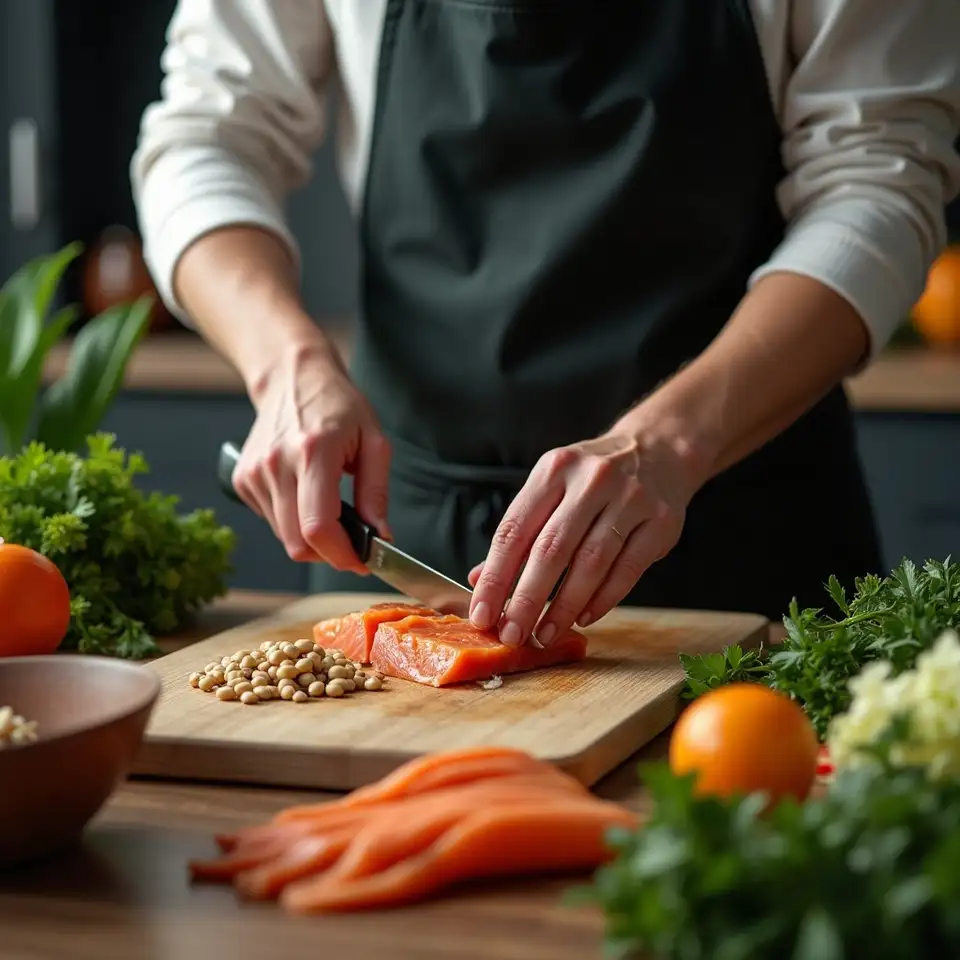
Once the basic science is clearer, attention often turns to the plate, where time pressure, taste preferences, and budgets collide. The meal pattern pathway translates theory into breakfast, lunch, dinner, and snack examples, using foods common in Norway such as yoghurt, oats, beans, lentils, eggs, fish, and lean meats. Each example shows how plant and animal sources can be combined or used separately to reach practical protein ranges, all within flexible structures that can be adapted for families, shared flats, or office canteens.

Governance review pathway
Organisations and wellbeing teams need more than recipes; they need processes. The governance-oriented pathway provides checklists and scenario prompts that help review how protein appears across menus, how vegetarian and omnivorous options are balanced, and how decisions align with sustainability and cultural expectations. This route treats food environments like other managed systems, encouraging documentation, feedback loops, and measured adjustments rather than quick fixes or sweeping, hard-to-sustain changes.
Main protein pathways available
Protein sits at the intersection of biology, culture, and everyday logistics, which means a single type of resource rarely serves everyone equally well. Some visitors seek a clear, concise explanation of how protein functions in the body and how much is generally needed; others already understand the basics but feel stuck when turning that knowledge into breakfasts, lunches, and dinners that work for mixed households or canteens. Still others operate in governance or wellbeing roles and must think about menus as part of broader organisational responsibilities. The pathways presented here reflect those differences while sharing a common discipline: myth versus reality analysis, transparent citation of recognised guidance, and practical examples built around Norwegian ingredient availability. None of the pathways offer medical or financial advice, and all remind readers that results may vary and that consultation with physicians or registered dietitians is essential for individual decisions. Instead, they provide structured ways to think about protein so that everyday meals and menu choices can be shaped more deliberately, without drama or unrealistic promises.
Foundational protein pathway
Core science
The foundational protein pathway is designed for readers who repeatedly encounter conflicting messages about protein yet have not had a chance to see the topic laid out systematically. It begins by collecting common myths, such as the idea that only very high intakes matter or that plant protein is always inferior, and then contrasts them with measured explanations grounded in recognised nutrition science and Norwegian guidance. Clear, non-technical language describes how protein supports muscle maintenance, enzymes, hormones, and immune function, and how approximate daily needs can vary by age, activity, and health status. Rather than prescribing fixed numbers, the pathway presents ranges and patterns, showing how protein can be spread across breakfast, lunch, and dinner. Practical examples use familiar foods like yoghurt, fish, beans, lentils, eggs, and lean meats, while emphasising that individual circumstances differ, results may vary, and medical questions must be directed to physicians or registered dietitians. This pathway suits households, wellbeing leads, and interested professionals who want a calm, evidence-informed base before adjusting shopping lists or menus.
- Explains protein’s structural and functional roles in muscles, enzymes, hormones, and immune responses in clear, non-technical terms.
- Places plant and animal protein sources side by side, highlighting strengths, limitations, and realistic portion examples for each.
- Outlines approximate daily protein ranges and distribution patterns without rigid prescriptions, recognising that needs vary.
- Includes repeated reminders that content is informational, results may vary, and individual advice belongs with healthcare professionals.
Meal pattern pathway
On the plate
The meal pattern pathway speaks directly to the challenge of turning theory into plates under time, budget, and preference constraints. Building on the basic understanding of protein roles, it introduces flexible templates for breakfasts, lunches, dinners, and snacks that anchor each meal around a protein source, then layer in vegetables, grains, and fats. Examples draw heavily on ingredients widely available in Norway: oats and yoghurt with nuts, bean and lentil soups, egg-based lunches with wholegrain bread, fish and potato dinners with vegetables, and grain bowls that can be served with or without small portions of meat. Each template includes options for plant-focused and mixed approaches, helping households and canteens serve vegetarian and omnivorous diners from the same base preparations. Visual cues and simple rules of thumb replace weighing and strict tracking, making it easier to estimate protein contributions without specialised tools. Throughout, the pathway stresses that enjoyment, culture, and sustainability considerations matter, and that no template can substitute for medical guidance where health conditions are involved.
- Provides adaptable templates for breakfast, lunch, dinner, and snacks that use protein as the organising anchor.
- Shows plant-based and mixed plant plus animal variations for each template, supporting inclusive menus from one base idea.
- Emphasises batch cooking, leftovers, and ingredient reuse to keep protein rich meals feasible on busy days.
- Integrates notes on culture, sustainability, and personal taste so that changes feel realistic rather than restrictive.
Governance review pathway
The governance review pathway recognises that many readers manage food environments for others, whether in offices, community settings, or shared living spaces, and must consider accountability, documentation, and stakeholder expectations. This pathway treats menus and snack offerings as part of a system, similar to other managed processes in risk-aware fields. It introduces checklists that cover protein distribution across the day, diversity of plant and animal sources, availability of vegetarian and omnivorous options, and alignment with broader sustainability and cultural objectives. Scenario prompts walk through common situations such as early meetings, late shifts, or training days, encouraging planners to map which protein options appear and which are missing. Guidance is descriptive rather than prescriptive, pointing out considerations without dictating specific choices, and repeatedly stating that it does not replace professional medical, legal, or financial advice. The pathway also suggests ways to gather feedback from diners, track changes over time, and integrate updates from nutrition guidance into internal documents, helping organisations keep protein related decisions transparent, reviewable, and adaptable.
- Offers structured checklists for reviewing protein presence and diversity across menus, snacks, and events.
- Uses scenario prompts to test how menus perform under real conditions such as meetings, shifts, and seasonal changes.
- Encourages documentation of decisions, rationales, and feedback, mirroring good practice in other governance areas.
- Clarifies that tools are informational and do not replace medical, legal, or financial advice from qualified professionals.
Foundational protein understanding for daily life
This pathway offers a tightly structured introduction to protein as a working component in the body, covering roles in muscle maintenance, enzymes, hormones, and immune function before linking those roles to practical daily needs. Explanations draw on recognised nutrition science and Norwegian guidance, yet remain free from exaggerated promises, repeatedly emphasising that results may vary and that complex health questions belong with physicians or registered dietitians. Ideal for readers who want a concise, evidence-informed starting point before adjusting meals.
Balanced plate and meal pattern frameworks
Here the focus shifts from isolated nutrients to entire plates, using protein as the anchor around which vegetables, grains, and fats are arranged. The pathway walks through breakfast, lunch, dinner, and snack scenarios common in Norway, showing how to combine plant and animal sources, or plant-only combinations, to reach realistic protein ranges without losing cultural familiarity. Visual cues and simple formulas replace strict plans, supporting canteens, families, and shared kitchens in building repeatable meal structures that can flex with ingredients and schedules.
Governance friendly review tools for menus
For organisations and teams, this pathway introduces checklists, review prompts, and scenario walk-throughs that help assess current offerings and policies. Questions address protein distribution across the day, diversity of sources, inclusion of vegetarian and omnivorous options, and alignment with broader sustainability and cultural goals. The approach mirrors compliance reviews, turning protein guidance into a process that can be documented, revisited, and refined over time, without claiming to replace medical or financial advice.
Choosing the right pathway
Protein guidance options differ widely in how they explain mechanisms, compare plant and animal sources, and translate theory into meals that fit Norwegian kitchens and organisational constraints; this overview shows how Erentuvixola’s structured pathways compare to more generic resources.
Erentuvixola
Connects protein science to everyday meals and governance realities.
Depth of protein explanation
Many general nutrition resources provide static lists of high protein foods without explaining how to combine plant and animal sources on a single plate, or how distribution across breakfast, lunch, and dinner affects the body over time.
Meal pattern flexibility
Common guides focus on individual dishes or recipes, offering little support for building repeatable patterns that work for workplaces, families, or shared kitchens with varying tastes and schedules.
Plant and animal balance
Several platforms promote either plant or animal protein almost exclusively, which can leave decision-makers without a balanced framework for menus that respect culture, sustainability, and nutritional adequacy together.
Myth and reality framing
Alternative resources sometimes skip structured myth versus reality analysis, making it harder to challenge assumptions about protein amounts, timing, and source quality in a transparent, evidence-aware way.
Organisational relevance
A lot of material speaks mainly to individuals cooking at home, with little acknowledgement of canteens, teams, or organisations that must design menus under operational and governance constraints.
Responsible communication
Not all resources state clearly that results may vary, that content is informational, and that consultation with physicians or dietitians remains essential for individual decisions about protein and meals.
Other resources
Often list nutrients without linking them to real Norwegian meals.
Depth of protein explanation
Many general nutrition resources provide static lists of high protein foods without explaining how to combine plant and animal sources on a single plate, or how distribution across breakfast, lunch, and dinner affects the body over time.
Meal pattern flexibility
Common guides focus on individual dishes or recipes, offering little support for building repeatable patterns that work for workplaces, families, or shared kitchens with varying tastes and schedules.
Plant and animal balance
Several platforms promote either plant or animal protein almost exclusively, which can leave decision-makers without a balanced framework for menus that respect culture, sustainability, and nutritional adequacy together.
Myth and reality framing
Alternative resources sometimes skip structured myth versus reality analysis, making it harder to challenge assumptions about protein amounts, timing, and source quality in a transparent, evidence-aware way.
Organisational relevance
A lot of material speaks mainly to individuals cooking at home, with little acknowledgement of canteens, teams, or organisations that must design menus under operational and governance constraints.
Responsible communication
Not all resources state clearly that results may vary, that content is informational, and that consultation with physicians or dietitians remains essential for individual decisions about protein and meals.
How each pathway unfolds
( Every pathway follows a deliberate process that mirrors structured decision-making in regulated fields: articulate assumptions, examine mechanisms, design interventions, test them under real conditions, then refine based on evidence and feedback, always with clear limits and disclaimers. )
Pick a structured route for turning protein theory into everyday meals
Clarify which pathway fits current responsibilities
Protein decisions influence energy, focus, and long-term wellbeing quietly yet persistently, which means vague intentions rarely hold under time pressure. A short, structured conversation can clarify which pathway on this page best matches current responsibilities, whether that involves shaping canteen menus, supporting workplace wellbeing policies, or simply bringing more balanced meals into a shared kitchen. No obligation follows, yet access to the most relevant frameworks becomes clearer.
Get started